Mobile Wallets Revolution in Arab Payment Systems
By Space Coast Daily // May 31, 2025
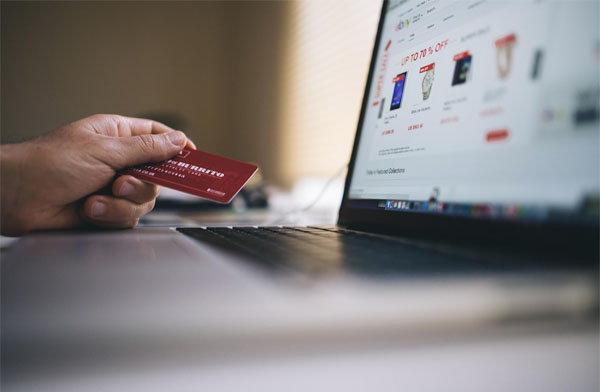
The digital revolution in the Arab world isn’t just changing the way people connect—it’s transforming the way they pay for goods and services. Mobile wallet penetration in the Middle East and North Africa has taken off, with growth rates of over 40% per year in numerous markets! This explosive boom is not a mere technological trend; it’s addressing generations-long financial access challenges that have long bedeviled the regions.
According to recent statistics, smartphone penetration in the Arab world is already above 80% in urban areas, with perfect conditions for financial solutions driven by mobile. Historically cash economies in the region are rapidly shifting towards digital means providing more convenience, security, and speed. But what’s behind such a dramatic shift, and how is it changing life for millions of individuals?
The Evolution of Digital Payment Solutions in the Middle East
The complexion of financial transactions in the Arab nations has shifted radically over the past decade. Traditional banking framework, which used to exclude significant portions of society, is being supplemented—and even replaced—in numerous cases by innovative mobile solutions.
From simple mobile credit transfers, they have grown to become complete digital payment ecosystems. The entertainment sector has been particularly quick to adopt these new payment forms. The likes of MelBet have demonstrated to us the growing consumer hunger for seamless digital payment solutions that eliminate friction in transactions in a variety of industries. This shift is not merely technological in nature—it reflects a fundamental transformation in the manner in which financial relationships within Arab societies operate.
The convenience factor cannot be overstated. With a few swipes on a smartphone, consumers can now complete transactions that previously required personal trips to exchange houses or banks, with attendant long lines and paperwork. In countries where banking hours, traffic, and geographical factors make traditional banking a time-consuming affair, such a shift is especially important.
Key Factors Driving Mobile Wallet Adoption
There are numerous distinct drivers of mobile wallet adoption in Arab countries. One of the drivers is the demographic composition, where nearly 60% of the population is under the age of 30 years, and these societies are inclined towards digital solutions by nature. These young, tech-savvy consumers require payment experiences that echo their lives, which are connected.
Primary Drivers of Mobile Wallet Adoption in Arab Countries:
- High smartphone penetration rates (80 %+ in urban centers)
- Young population demographics (majority under 30)
- Government digital transformation initiatives
- COVID-19 acceleration of contactless payment needs
- Large expatriate populations requiring remittance solutions
- Limited traditional banking infrastructure in many areas
Government efforts have also played a key role. From Smart Dubai in the UAE to Vision 2030 in Saudi Arabia, cashless economies are being actively promoted by regional governments through regulatory settings and infrastructural investments. National digital wallets tied to identity systems have even been introduced by some.
The COVID-19 pandemic, regrettable as it was, accelerated existing trends by a long way. Concerns over virus transmission through physical money pushed even traditional consumers towards contactless payments. The majority who tried mobile payments out of necessity in lockdowns have continued with them for convenience since.
We should not forget the unique economic context. With high numbers of unbanked across most Arab countries, mobile wallets have been powerful tools of financial inclusion, bringing millions into the formal economy without the necessity of traditional bank accounts.
| Country | Mobile Wallet Penetration | Year-over-Year Growth | Leading Platforms |
| UAE | 43.2% | +15.7% | e-Dirham, Apple Pay |
| Saudi Arabia | 38.7% | +23.4% | STC Pay, Urpay |
| Egypt | 29.3% | +18.2% | Fawry, Vodafone Cash |
| Qatar | 36.1% | +14.5% | Ooredoo Money |
| Jordan | 23.8% | +11.2% | JoMoPay, Zain Cash |
Benefits of Mobile Wallets for Arab Consumers
The advantages introduced by mobile wallet services in Arab countries extend far beyond convenience. In the first place, they provide legitimate financial services to previously excluded groups, particularly effective in countries where banking penetration falls as low as 30%.
Transaction costs have a tale to tell, too. Conventional cross-border remittances might charge 5-7%, but mobile options tend to bring it down to 1-3% or less. For the migrant workers, sending money back home with such savings saves them significant amounts of money over the years.
Security has evolved. Most local mobile wallets support multi-factor authentication, biometric verification, and real-time fraud detection, which is at times more secure than traditional payment methods! Users can also freeze accounts instantly on suspicion of foul play, far removed from the prolonged procedures for reporting stolen cash or credit cards.
The reduction of cash dependence also has broader social benefits. Electronic transactions leave traces that help minimize tax avoidance, money laundering, and corruption. They also minimize risks associated with holding physical cash where there are security concerns.

Mobile Wallets and Financial Inclusion
The impact of mobile wallets on financial inclusion across the Arab world has been revolutionary. In Egypt alone, over 20 million former unbanked consumers have access to digital financial services, constituting an entirely new economic segment.
It has particularly helped rural communities. Rural areas where it was financially impractical to establish physical bank branches now have access to similar services through mobile networks. Rural farmers can receive payment for crops, receive microloans, and purchase inputs without driving hours to the next town.
Another central element is economic empowerment of women. In conservative societies where cultural norms might limit women’s mobility or economic autonomy, mobile wallets enable unobtrusive and easy financial tools. The technology enables more economic participation while being context-sensitive—a delicate balance that’s working extremely well.
Technological Innovations Enhancing Mobile Wallet Functionality
The tech innovation of mobile wallet platforms continues to grow at breakneck speed. Biometric authentication like fingerprint, facial recognition, and even behavioral biometrics have greatly improved security while reducing friction. Some systems can even recognize users without their full awareness!
Key Features of Modern Mobile Wallets in Arab Markets:
- QR code payments enable contactless merchant payments
- Peer-to-peer transfers between users regardless of banking connections
- Massive bill payment capacity for government services and utilities
- Seamless compatibility with retail reward programs and transport networks
- Cross-border remittance with much-reduced fees
- Microfinance and instalment payment instruments built right into the wallet
These technologies are constructing payment infrastructures that take payment systems light-years beyond mere electronic replicas of paper wallets. They’re transforming into full-blown financial platforms that could replace traditional banking relationships entirely for many consumers.
Challenges and Future Outlook
In spite of outstanding achievements, there are daunting challenges to come. The Arab regulatory environment is non-harmonized and constitutes compliance challenges for regionally active providers. Cybersecurity threats are still an issue, with sophisticated attack vectors calling for consistent attention and investment.
Infrastructure limitations further influence rural uptake—mobile wallet functionality decreases where connectivity is intermittent. Cultural factors sometimes result in resistance, particularly among older people who are accustomed to cash systems.
And yet, the way ahead is clear. Region-wide mobile wallet payments will hit over $800 billion annually by 2027, a reflection of a deep realignment of payment ecosystems. The winners in this space will be operators who can balance security with innovation in the face of difficult regulatory environments.
Embracing a Digital Financial Future
Mobile wallets have surpassed their early hype to become Arab economies’ revolutions. These technologies, by sidestepping long-standing barriers to financial inclusion while offering more convenience to all users, are instances of the seldom win-win innovations.
As local economies continue to digitize, mobile wallets will likely become the basis of new financial infrastructures that are more inclusive, efficient, and responsive than previous ones. The revolution is not just accelerating payments—it’s really leveling the playing field for access to financial services in one of the world’s most dynamic and diverse regions.