Supporting an Aging Population: Addressing Isolation, Healthcare and Caregiving
By Space Coast Daily // May 31, 2025
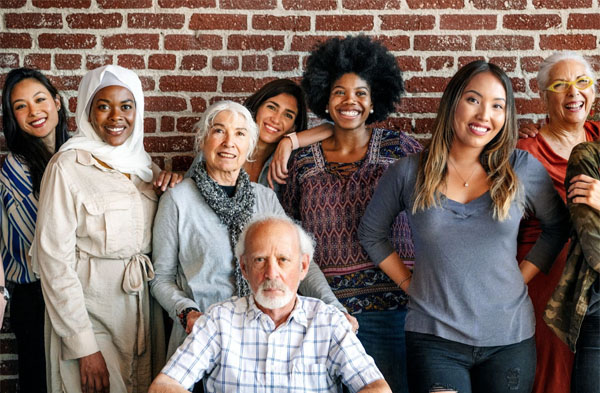
Our planet has an aging population; there’s no doubt about it. After World War II, there was a baby boom, giving rise to the Baby Boomer generation. This influx of children hasn’t really occurred on a scale seen since, so now, as Boomers age, the younger generations are left with the conundrum of how to deal with an aging population.
This article will discuss the growing challenges of an aging population, such as social isolation, healthcare accessibility, and the increasing demand for caregivers. We’ll also explore solutions to this issue, such as community programs, policy improvements, and the role of social workers in elder care. Read on to learn more.
Social Isolation
Social isolation and loneliness are incredibly important but often neglected social determinants of health and well-being across all age ranges, including for older people. High-quality social connections are essential for all of us to meet our mental and physical health and well-being needs.
Social isolation and loneliness are widespread in our aging population, with some countries reporting that up to one in three older people feel lonely or disconnected socially. A large body of research shows that social isolation and loneliness have a serious negative impact on older people’s longevity, their physical and mental health and well-being, and their overall quality of life. The effects of social isolation and loneliness on mortality have been compared to those of other well-established risk factors for mortality, such as smoking, poor diet, obesity, and physical inactivity.
Healthcare Accessibility
Healthcare accessibility can mean two things. The first definition is that healthcare should be accessible in terms of someone being able to find, access, and receive local healthcare. This means that someone who lives in a specific geographical area should be able to find healthcare treatment when and if they need it, as it’s easy to access.
However, healthcare accessibility also means that despite someone’s behavioral issues, mental health issues, disability, or other life challenges, they should still be able to access healthcare that suits their unique needs.

Healthcare accessibility is a challenge in the context of an aging population. Aging people require more healthcare than others to treat injuries and illnesses and for primary, secondary, and tertiary preventative healthcare measures. Healthcare accessibility is still an issue for aging people living in rural, regional, or remote locations. If they can’t access the healthcare they need, the risk of mortality or adverse health events grows.
Increasing Demand for Caregivers
With an aging population comes an increased demand for caregivers. Older adults need care, and there is a shortage of qualified and skilled people able to provide this care. While traditionally, care has fallen on the children of older people, the rising cost of living means that younger people may not be able to afford to take time off work or afford the costs of care. This is a glaring issue with an aging population.
Solutions to these Issues
The next section of this article will discuss potential solutions to the issues described above.
Community Programs
Community aged care programs can play a large role in addressing the social isolation and loneliness of an aging population. Non-profit organizations can also play a large role here, tailoring programs to address loneliness in aging people. Whether it’s social clubs, board game and puzzle clubs, community outreach programs, or volunteers, creating opportunities for social connection may be the answer to elderly people’s loneliness and social isolation.
Policy Improvements
Public policy needs a shift to adapt successfully to the aging US population. Thoughtful change in policy is required. There has been some action in this area. For instance, Medicaid waivers have been enacted that allow a variety of modifications to various state Medicaid rules. This permits US states to expand the range and scope of nonmedical services available to certain cohorts of older adults. Also, via a mix of legislation and regulatory reviews, Medicare Advantage plans allow more opportunities to include certain social and community services, such as Meals on Wheels, in benefit packages.

Despite such excellent developments, US policymakers will need to address a few major challenges in the healthcare system to adapt to our aging population. Some of these challenges have been mentioned above, and a major one is the lack of caregivers. Changing pay rates, streamlining licensing, and improving career pathways are all methods that can be addressed in policy to fix this issue.
A second major challenge is the financial burden of institutional care, which, as we’ve mentioned above, is prohibitively expensive for middle-class families. A federal public insurance program is the best way to address this.
Finally, a future federal government and Congress will be forced, within a few years, to address the massive funding gap for the fastly depleting Medicare Hospital Insurance trust fund and other retirement benefits.
The Role of Social Workers in Aged Care
Social workers have a large part to play in caring for an aging population. Professionals with an online Masters of Social Work degree are instrumental in designing and implementing support systems that improve the quality of life for older adults facing social and healthcare challenges. Social workers take a holistic approach to care for older people, addressing both the macro and the micro level intersections between health, well-being, and societal issues. Social workers can design, run, and evaluate programs to assist aging people, as well as advocate for policy amendments and change.