Air Traffic Controller Shortage Temporarily Halts Landings at Orlando Airport Amid Government Shutdown
By Space Coast Daily // October 30, 2025
has reached a critical point, with Orlando’s tower expected to be without the required number of certified controllers
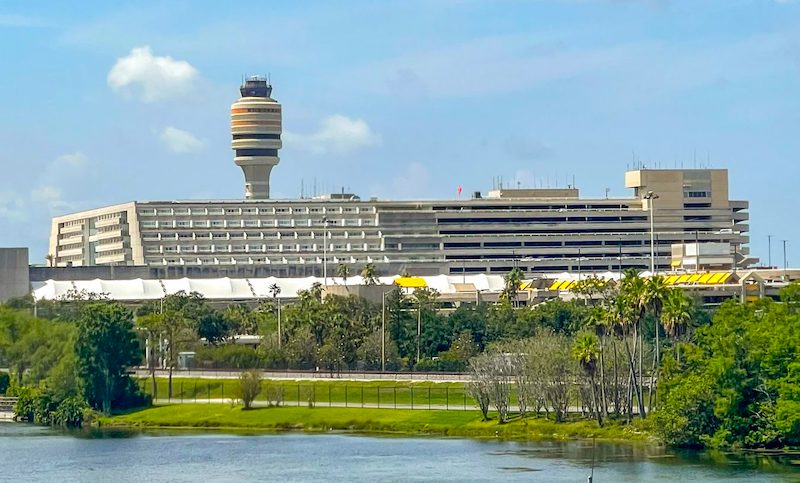
ORLANDO, FLORIDA — The Federal Aviation Administration announced Thursday that a shortage of certified air traffic controllers at Orlando International Airport will temporarily halt landings later in the day, marking one of the most severe disruptions yet caused by the ongoing federal government shutdown.
The FAA said the staffing crisis — now affecting multiple air traffic facilities nationwide — has reached a critical point, with Orlando’s tower expected to be without the required number of certified controllers. The agency plans to issue further updates later Thursday.
The situation underscores the mounting strain on the U.S. aviation system as the shutdown enters its 30th day. Orlando International, the ninth-busiest airport in North America, handles millions of passengers each year and serves as a major gateway for Florida’s tourism industry.
In addition to Orlando, the FAA reported ground delay programs at Dallas/Fort Worth International Airport and Ronald Reagan Washington National Airport due to staffing shortages. Across the country, nine FAA facilities were reporting similar issues.
Flight delays on Thursday averaged more than two hours at Orlando, 90 minutes at Reagan National, and 21 minutes at Dallas/Fort Worth, according to the FAA. Flight-tracking service FlightAware reported nearly 5,800 delays and more than 1,000 cancellations nationwide.
Earlier in the day, the FAA briefly halted departures at Reagan National as staffing shortfalls compounded by poor weather across the Northeast disrupted air travel.
Transportation Secretary Sean Duffy said that air traffic controller absences were responsible for nearly half of flight delays on Sunday and one-quarter on Monday — up sharply from pre-shutdown levels.
The FAA, already about 3,500 controllers short of its staffing target, has relied heavily on mandatory overtime and extended workweeks to keep operations running. More than 13,000 air traffic controllers and 50,000 Transportation Security Administration officers are currently working without pay as the shutdown drags on.
A prolonged disruption at Orlando could ripple across the national flight network, adding to the growing number of delays and cancellations that have frustrated travelers and strained the aviation workforce nationwide.