Building Safer Devices Through Rigorous Quality – The Work of Shashank Murali
By Space Coast Daily // November 11, 2025
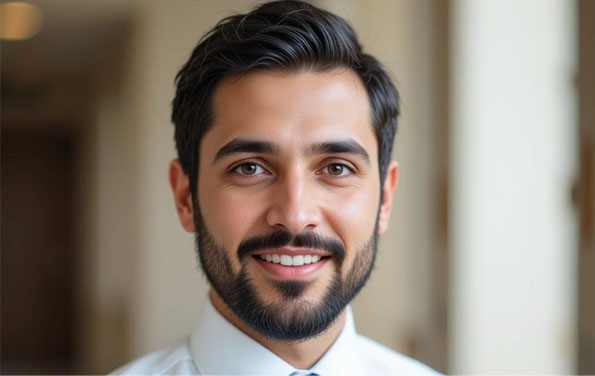
Shashank Murali is a Quality Assurance professional based in Minneapolis, Minnesota, with more than eight years of experience in the medical device technology area. He trained in the area of Biomedical Engineering, focusing on Risk Management, Product Validation, and Regulatory Compliance—skills he leverages to support organizations in meeting safety regulations while improving operational effectiveness and reliability. His professional website highlights this mix of technical subject matter expertise and systems-based thinking, which includes a risk-based approach to validation and continuous improvement.
Early Motivation and a Defining Lesson
Murali’s interest in the field was based on a practical interest at the interface of healthcare and technology. Being exposed at a young age to the influence devices can have on clinical outcomes led him to positions focused on safety and compliance. A pivotal moment was a validation effort for a major medical device when a critical flaw was uncovered. Working through the root cause of the issue, mitigation, and re-testing illuminated for him the role quality assurance serves in patient safety, which solidified his focus on the prevention, documentation, and traceability aspects of design and process controls. The public bios that outline his background are aligned to that trajectory, containing a biomedical engineering base and subsequently growing quality responsibilities.
Values and Measures of Success
His core principles in life are integrity, precision, and continual improvement. In practice, that translates into methodical planning, decision-making based on evidence, and considering nuances for verification and validation. He defines success in part based on “things that matter”- safer devices, compliance, and confidence to perform in the field.” He establishes SMART goals, reviews milestones, and adjusts actions as risks change, which aligns with the risk-based quality systems that he outlines on his site.
Day-to-Day Work and Continuous Learning
A typical day starts with a discussion of active issues and other high-risk items, then crosses functions on design controls, documentation, change management, regulatory readiness, etc. He makes time for professional development – standards, journal articles, webinars, conference sessions, etc., so that his decisions reflect the current guidance and practice. This rhythm supports the proactive identification of risk and helps to maintain a close alignment between validation and CAPA activities with regulations as they evolve.
Mentorship, Service, and Community
In addition to his formal duties, he volunteers with organizations dedicated to expanding access to care and helps mentor students interested in biomedical engineering. These activities reinforce two habits that also manifest in the workplace: structured feedback and effective communication. He credits his mentors with sharpening the way he processes problems and developing his ability to remain calm under pressure—skills that he now emphasizes when mentoring peers through audit preparation, tight timelines, or complicated investigations.
Managing Pressure and Balancing Priorities
He handles stress by focusing on the highest priority tasks and keeping his project plans organized. When he has to make difficult decisions due to limited resources, like choosing to validate one element instead of another, he assesses the risk and impact level of each task, and then he effectively communicates the decision and expected involvement timelines to stakeholders. He welcomes feedback as opportunity to improve any process and incorporate that feedback during the corrective action process, which reinforces processes after identifying an error.
Leadership Approach and Collaboration
His leadership style is based on transparency and common context. He establishes expectations, keeps everyone informed by sharing regular updates, and actively listens to identify concerns early. Cross-functional collaboration (especially with regulatory) is part of his everyday, whether it is working together to align upon a test protocol, reviewing documents, or preparing submissions. He develops professional relationships by being straightforward, treating people with respect, and being consistent, while also recognizing contributions of the team to help maintain engagement.
Innovation with Guardrails
He practically approaches innovation. Creativity plays a role when it adds tangible value by increasing reliability or efficiency without compromising compliance. With that in mind, he has engaged in self-directed learning on advanced data analysis, utilizing statistical and analytical approaches to detect trends and latent risk in validation and post-validation data. In the future, he is considering AI-assisted risk management for speed of signal detection and ease of verification, again an interest found in public write-ups that contextualize his work in the industry’s gradual move to automation/analytics.
Ethics, Responsibility, and Social Impact
Murali believes that ethical practice cannot be separated from quality. Patient safety must come before business pressures of the moment, especially when communicating risk transparently can ensure trust with clinicians, regulators, and patients alike. He has sought decisions that promote field performance—not just approvals. He has also contributed to work in an effort to improve access in underserved settings—work that he believes is aligned with his beliefs about responsible corporations: make your products safer, understand that they are real clinical needs.
Communication, Feedback, and Conflict Resolution
Shashank Murali adjusts how he communicates to the audience—technical specifics for the engineering teams, in higher-level summaries for the non-technical stakeholders. Having project tools and regular checkpoints helps keep everyone aligned on the work. If a misunderstanding occurs, he immediately addresses it, whipping out a common definition of scope, evidence, and success criteria before moving to the next step. He provides constructive feedback on observable behavior and impact on the system, and then follows up to see if the feedback was successful.
Resilience and Learning from Setbacks
At the beginning of his career, the device didn’t pass safety criteria. The response, which included a formal root-cause analysis, corrective action planning, and then re-validation, was onerous but educative; he points to that as evidence that resilience in a regulated space is predicated on formal processes and a preparedness to change course quickly, in light of data.
Minneapolis as a Professional Base
Minneapolis has a prominent ecosystem within medical technology: existing medical technology companies, new companies and ventures, and professional networks. The environment is supportive of continued education and collaborative efforts, which he utilizes, both formally through training and informally through knowledge sharing. When he describes his work in public profiles, he often situates his work within this regional context by emphasizing the other resources (both in support of health care and technology) that are available.
Looking Forward: Tools, Trends, and Goals
He anticipates that the next ten years will see increased utilization of automation, AI, and digital health integrations across each step in product lifecycles. To prepare for such developments, he plans to continue with certification in quality management systems and regulatory compliance and also pursue pilot projects with direct experience in satisfying data-driven risk monitoring regulations.
He envisions a role where he leads quality organizations that marry serious systems with practical innovation in the years to come—one way he thinks they will be judged, as are most organizations, is durable safety and reliability in application.
Closing Perspective
The common theme of his career is consistent: combine values with process, use data to inform decision-making, and use patient safety and product performance to measure success. Whether it is validating a device, mentoring a younger engineer, or working with the community in a health care environment, the message is the same—quality is a disciplined habit. In some ways, Shashank Murali is an example of how methodical, risk-based quality assurance can help improve outcomes for teams, organizations, and the patients they ultimately serve.