BREAKING: Canaveral Port Authority Mourns Passing of Chairman Admiral Wayne Justice
By Space Coast Daily // November 8, 2025
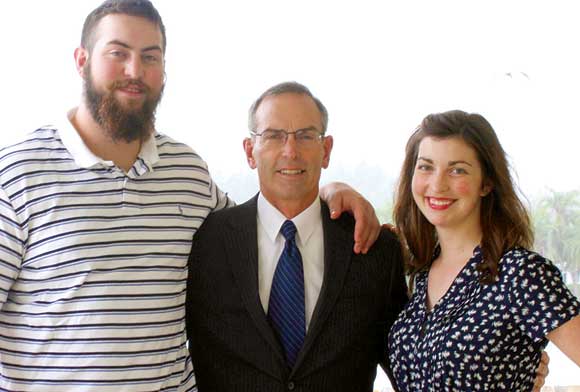
Admiral Wayne Justice Dead at the age of 70
ABOVE VIDEO: Retired U.S. Coast Guard Rear Admiral Wayne Justice talks about his early career. The Canaveral Port Authority is mourning the passing of Admiral Justice at age 70.

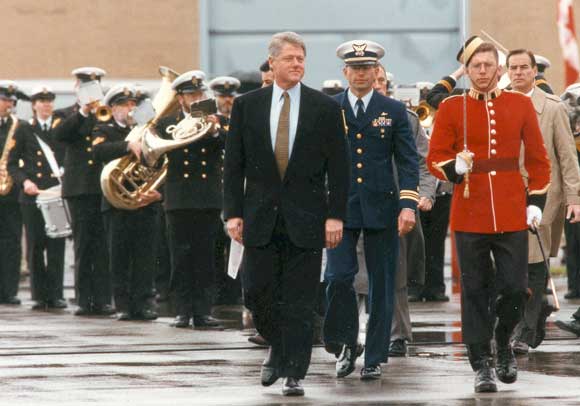
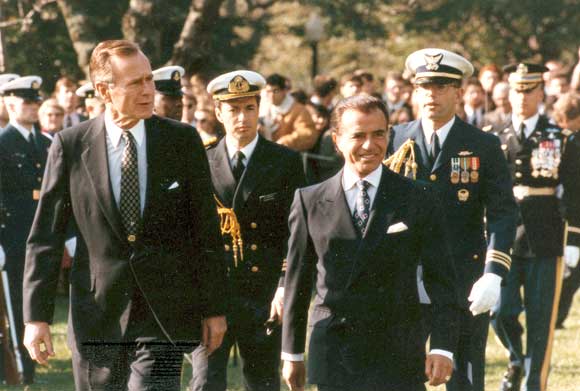
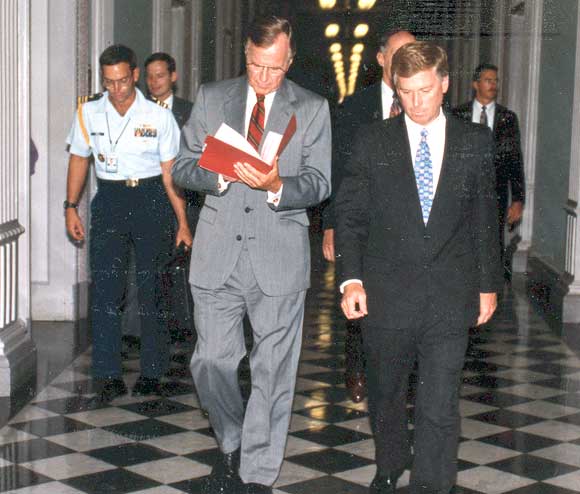
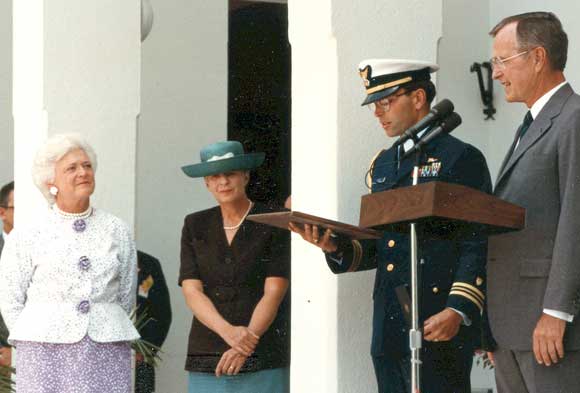
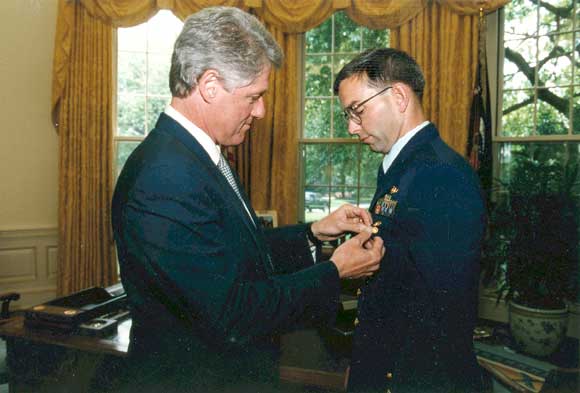
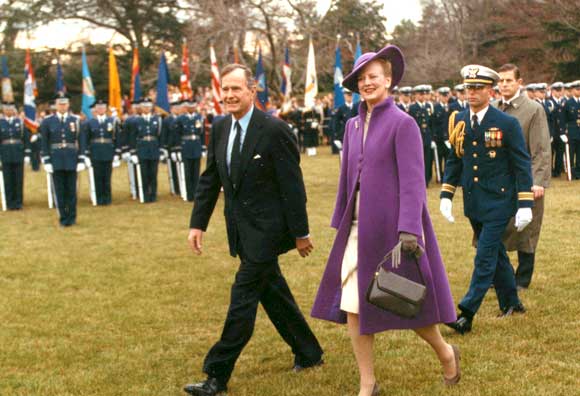
ABOVE VIDEO: Retired U.S. Coast Guard Rear Admiral and Port Commissioner Wayne Justic talks about his days working under Presidents Bush and Clinton. The Canaveral Port Authority is mourning the passing of Admiral Justice at age 70.
BREVARD COUNTY • PORT CANAVERAL, FLORIDA – The Canaveral Port Authority and the Brevard County community are mourning the passing of Admiral Wayne Justice, its esteemed Chairman and longtime Commissioner, at age 70.
“It is with great sadness that we share the news of the passing of Canaveral Port Authority Chairman Admiral Wayne Justice,” the Port Authority said in a statement.
“Admiral Justice was elected in 2014 and has served continuously, including three times as board chairman. He was a champion for the Port, his beloved Coast Guard, and our Port district community. His spirit, enthusiasm, leadership, and passion for the maritime industry will be deeply missed.”
At the Nov. 5 State of the Port address, Commissioner Kevin Markey requested prayers for Justice, who was dealing with health issues.
Elected to the Canaveral Port Authority Commission in 2014, Admiral Justice served the Port Canaveral community with distinction for more than a decade, including three terms as Chairman of the Board.
He was widely respected for his visionary leadership, dedication, and unwavering commitment to advancing the Port and the maritime industry.
During his tenure, Admiral Justice championed numerous initiatives that strengthened Port Canaveral’s role as one of the nation’s leading gateways for commerce, tourism, and maritime operations.
His long and distinguished career in the U.S. Coast Guard provided invaluable experience that guided his decision-making and leadership at the Port.

Colleagues and community members remembered Admiral Justice for his enthusiasm, integrity, and deep passion for public service.
“Admiral Justice’s spirit, enthusiasm, and leadership were unmatched,” the Port Authority said in a statement.
“He was a true champion for the Port, his beloved Coast Guard, and our Port district community. His legacy of service and passion for maritime excellence will be deeply missed.”
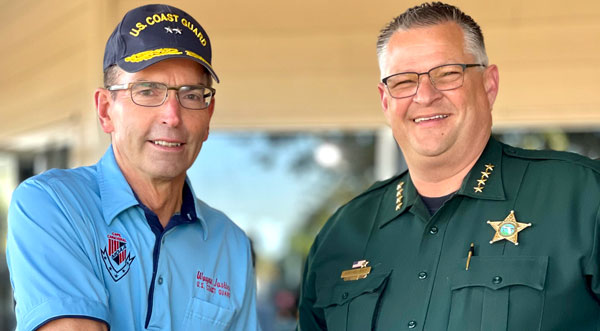
His leadership and contributions will leave a lasting mark on Port Canaveral and the broader maritime community.
Retired Rear Admiral Wayne Justice can never complain of having endured a boring job, for his career in the Coast Guard had taken him from captaining anti-drug running ships to assisting the Commander-in-Chief of the United States of America.
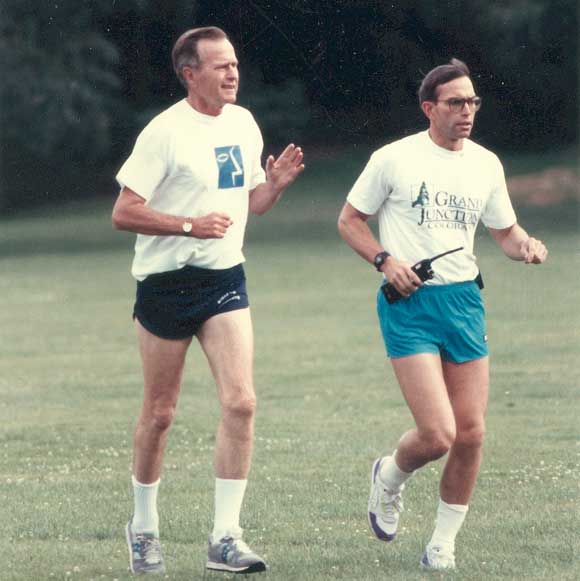
He had been part of President George H. W. Bush’s wallyball (also known as rebound volleyball) team at Camp David. He has been at the helm of multi-million-dollar drug seizures off the Bahamas.
He rescued thousands of Cuban and Haitian refugees. He was the man literally strapped to the “satchel,” the suitcase that carries the nuclear code for the President of the United States.
Justice’s story began in Staten Island, where his father was a public health physician.

A graduate of the New York City public school system, Justice, like his father, chose public service, earning a degree from the Coast Guard Academy in 1977.
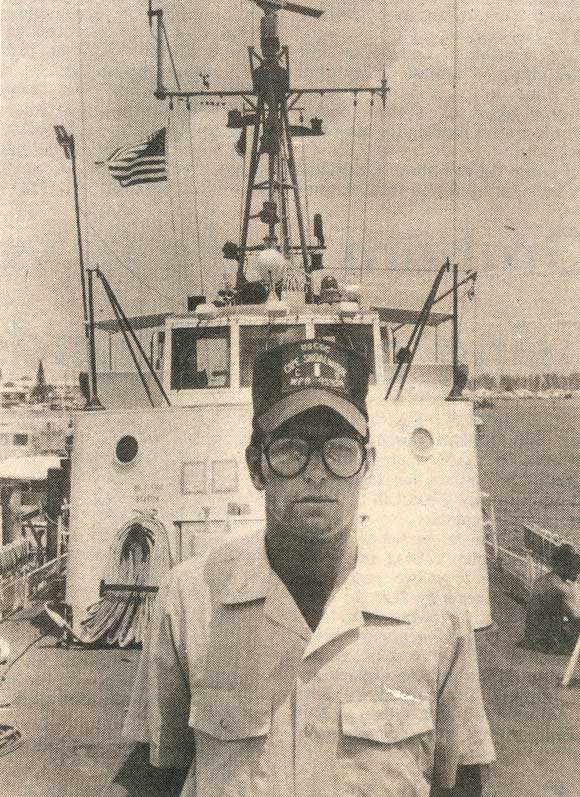
After a stint in fisheries patrol off the coast of New England, Justice was sent to the warmer waters of Florida as head of a 95-foot patrol boat moored in Rivera Beach.
“I’m 23 years old and in command of this boat that is tasked with seizing tons of drugs from Jamaica and the Bahamas,” he said.
“It was madness. We would get rammed by Jamaican mother ships. We shot machine guns. It was absolute cowboys and Indians.”
First On the Scene of Mariel Boatlift
Those “good old days” of the early 1980s law enforcement were soon replaced by even more demanding work, as drugs evolved to more sophisticated options than bulk marijuana, and drug dealers would try to save their valuable cargo from the Coast Guard by using everything from sophisticated secret compartments to semi-submersibles that were almost impossible to detect.
“Our last seizure was a Mexican fishing boat with almost 10 tons of uncut cocaine,” said Justice.
“It was so important that the Mexican government sent a ship to protect us. It was the largest seizure at the time.”
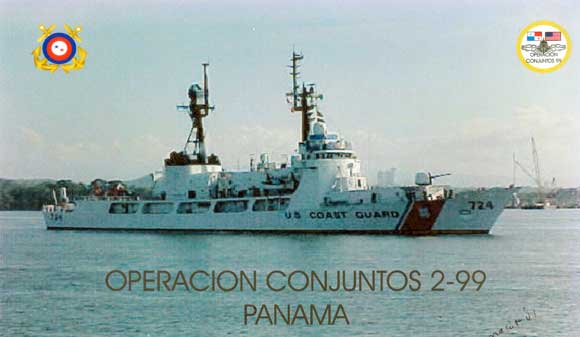
Over the course of his career, Justice’s cutters seized 40-drug smuggling vessels, over 140 tons of marijuana and cocaine, and arrested more than 135 smugglers.
Human cargo was also on Justice’s radar, for his ships patrolled an area of the ocean teeming with refugees.
“The first boat we picked up was the very first Cuban boat from the Mariel boatlift,” he said.
“Cuban families from Miami were also paying cash for these derelict boats to go to Cuba and pick up their relatives, and we had to stop these unsafe vessels. We found a lot of people trying to get out of Cuba. We also found empty rafts.”
The Cubans were not the only ones trying to escape their beleaguered homeland.
“The Haitian refugees were truly in dangerous situations,” said Justice.
“One time, we found 230 Haitians stacked like cordwood in a 50-foot sailboat. The people at the bottom were unconscious or dead. At that point, the Haitians were happy to see us, even though we would take them back to Port au Prince.”
Justice remembers the Christmas of 1989, when the Haitian government, because of the holiday, would not take the 200 of their citizens that Justice and his men had delivered to Haiti’s capital. There was nothing to do but settle back on the boat and wait for the next day.
“We ended up spending a very nice Christmas with them,” said Justice.
Justice was involved in the rescue of more than 4,500 Haitian, Chinese, Ecuadorian and Cuban immigrants.
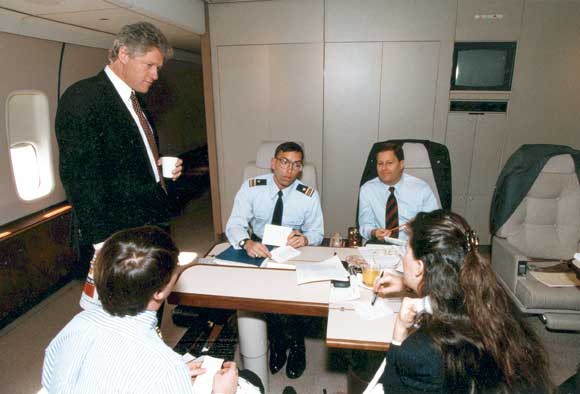
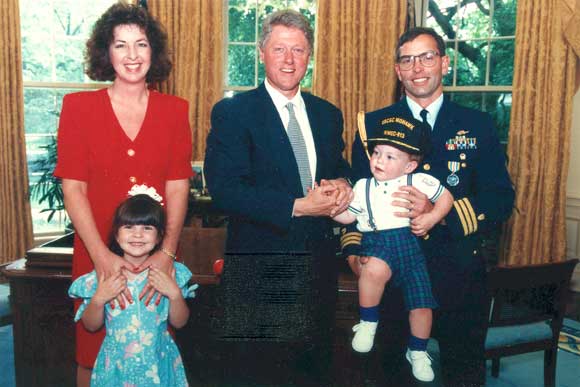
Justice’s life changed dramatically when the Coast Guard selected him as one of five candidates for the coveted position of military aide to the President of the United States. One representative from each of the military services is assigned to this critical position.
“A White House limo picked me up at the airport and I headed to 30 different interviews for the job,” said Justice.
“They wanted to get a good feel for the type of person you were.”
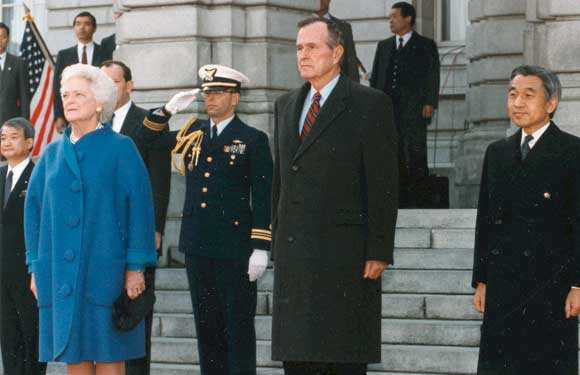
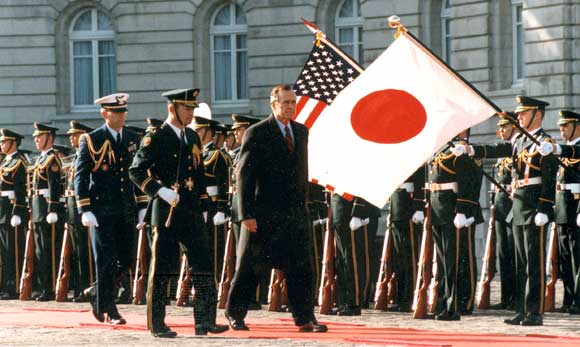
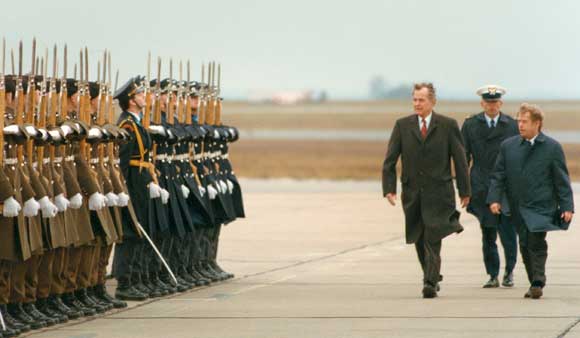
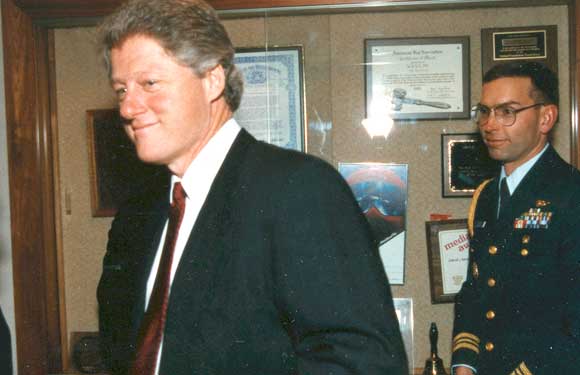
Justice got the job, and spent the next two years shadowing President George H. W. Bush.
Wherever the President went, Justice went. He lived in the White House and traveled aboard Air Force One to all four corners of the globe.
On weekends, he followed President Bush to Camp David. The job provided an incredible vantage point into the life of the Commander in Chief.
“President Bush loved Camp David,” said Justice.
“After church, he would set up the teams for wallyball games. If you were any good, he put you on his team. If you were not, he would put you on the other team. He didn’t like losing.”
It didn’t matter if a guest was important. If he couldn’t play well, he was “fired” from the “Bush League,” such as was the case with Arnold Schwarzernegger.
“As big and strong as Schwarzernegger was, he couldn’t play volleyball, so he was fired,” said Justice.
Dedicated Public Servant

After retirement in 2010, Justice segued into a career as a maritime consultant and expert witness, providing counsel on maritime issues and expert testimony in maritime cases.
The latest chapter in his life was his job as District 3 Commissioner for Canaveral Port Authority and Chairman.
The Canaveral Port Authority extended its condolences to Admiral Justice’s wife, Barbara, and to his entire family following the news of his passing.