Health First’s Dr. M. Scott Bovelsky Explains How to Take Control of Your Surgery Experience
By Space Coast Daily // November 11, 2025
Dr. Bovelsky outlines essential questions that help patients make informed, confident decisions
BREVARD COUNTY, FLORIDA — For many people, deciding to have surgery is one of the most important health decisions they’ll ever make. But according to Health First board-certified gynecologist Dr. M. Scott Bovelsky, M.D., too many patients aren’t asking the questions that could make all the difference in their experience — and their recovery.
“There are a couple of things I almost never get asked, which shocks me,” he said. “I almost never get asked if I’m board-certified and I rarely get asked how many cases I’ve done.”
Those, he said, are two of the most important questions any patient can ask — whether the procedure is robotic-assisted, laparoscopic or open surgery. Bovelsky recently reached a major milestone: 1,000 robotic-assisted procedures over his 15-year career.
But he stresses that it’s not the number itself that matters most. What counts, he explained, is the experience behind it.
“There’s a learning curve with any surgical technique,” he said. “The first 20 cases are about getting comfortable with the technology and the workflow. After 100, it starts to feel natural. By 1,000, it’s second nature.”
That perspective is exactly why he urges patients to talk openly with their surgeons about their experience and training before choosing who will perform their procedure.
“If a surgeon tells you they’ve never had a complication, one of two things is true — either they’re not being honest or they haven’t done enough cases,” he said. “You want a surgeon who’s experienced and transparent about their outcomes.”
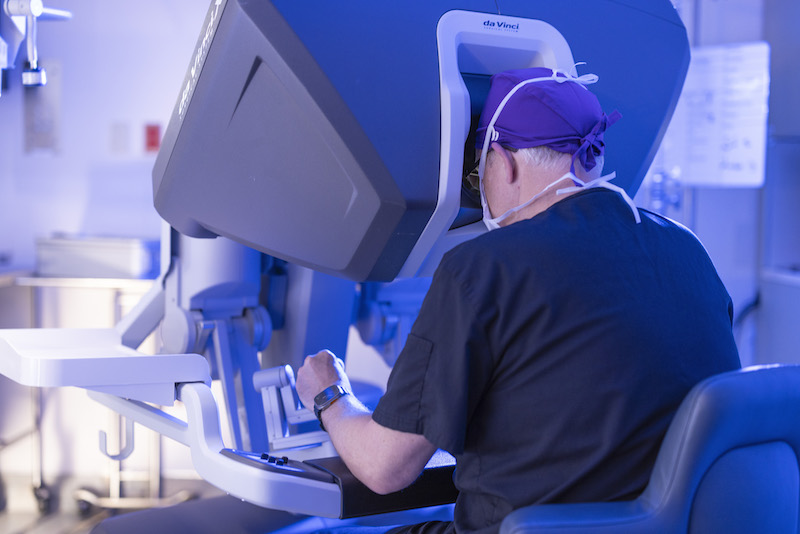
One of Bovelsky’s first priorities with every new patient is to review all possible treatment options — both surgical and non-surgical.
“I never want a patient to feel like surgery is their only option,” he said.
“We always start with the least invasive approaches and move up from there.”
He emphasized that patients shouldn’t rush into surgery. You shouldn’t just jump to surgery and you should know what all of your options are, surgical and non-surgical, before making that decision. These discussions ensure that surgery, when needed is the right decision — not just the first one offered.
Every procedure, no matter how advanced, carries some risk. Bovelsky said patients often skip over that part of the conversation too quickly.
“99.9% of the time, nobody has a complication… but they must understand that it’s an inherent risk. And even though it’s a low risk, if it happens to them, it’s 100%.”
He encourages patients to ask their surgeon about both the likelihood of complications and how they would be handled. “You want to know that your surgeon and their team have the experience and protocols in place to keep you safe,” he said.
Recovery is another topic where clear communication makes a big difference.
“For a robotic-assisted hysterectomy, for example, 99 percent of my patients go home the same day,” Bovelsky said. “That’s a huge shift from traditional open surgery, where patients might stay in the hospital two or three days and take six weeks to recover.”
Still, recovery timelines vary based on the procedure and the patient’s lifestyle.
“If you have a desk job, you may be back to work in two weeks. If your job involves heavy lifting, it could be six weeks,” he explained. It’s important to have an honest discussion about what to expect — so patients can plan their time, their support, and their healing properly.
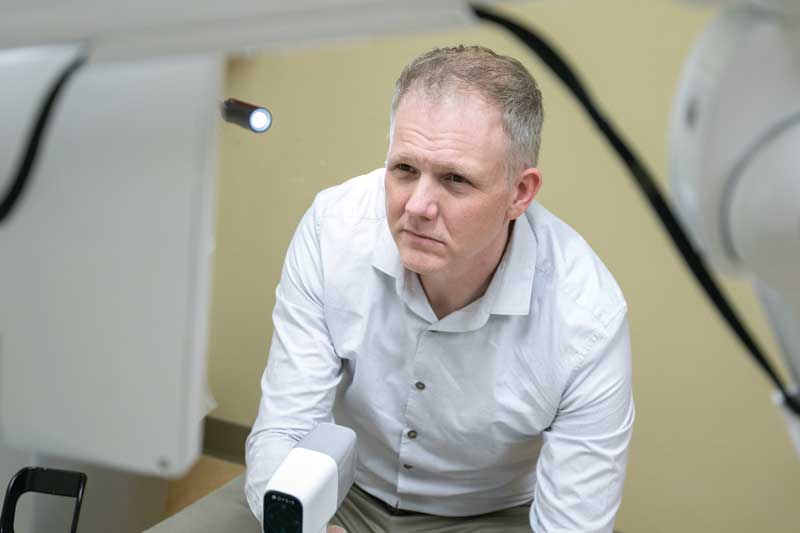
Bovelsky said informed patients make better decisions — and often have better outcomes. To help patients prepare, he offers a checklist of essential questions to ask before any surgery:
■ Are you board-certified?
■ How many cases have you done?
■ What are all of my options before surgery, including non-surgical approaches?
■ What are the potential complications, and how are they handled?
■ What is recovery like for me specifically, based on my lifestyle and work?
■ Who will be part of my surgical team, and what is their experience?
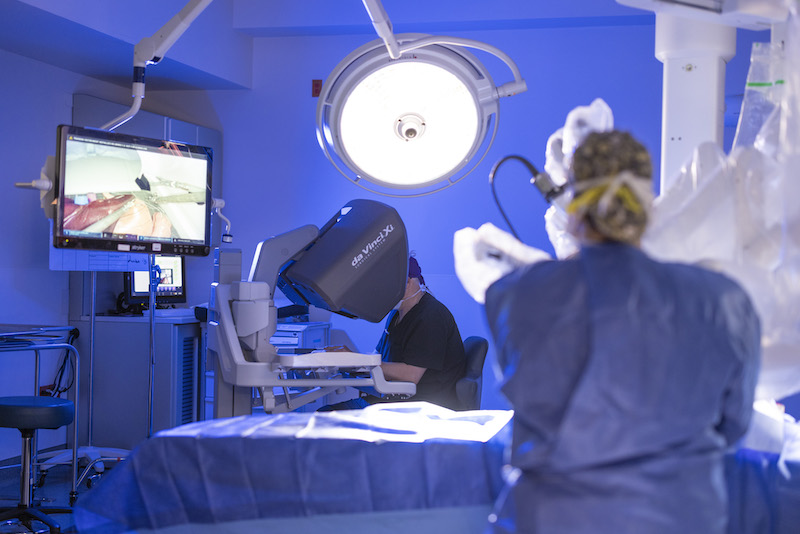
While much of Bovelsky’s work involves robotic-assisted surgery using the da Vinci DV5 system, he’s quick to remind patients that technology enhances — but never replaces — a surgeon’s skill.
“The robot is a tool,” he says. “It allows me to perform precise, minimally invasive movements with a 3D, high-definition magnified view. I can see details I couldn’t see before and that leads to more precision and better outcomes.”
“When you’re informed and comfortable, your recovery is smoother and your confidence is higher,” he said. “That’s the goal — to make sure every patient walks into surgery knowing exactly what to expect.”
Ultimately, Bovelsky said the best outcomes come from open communication and mutual trust. He encourages patients to view themselves as active partners in their care.
 Related Story:
HOT OFF THE PRESS! October 27, 2025 Space Coast Daily News – Brevard County’s Best Newspaper