Health First Delivers New Cardio-Oncology Subspecialty to Protect Both Lives and Hearts
By Sara Paulson // October 31, 2025
Health First Providing Cutting-Edge Breast Cancer Care, Right Here in Brevard
 Related Story:
Health First Fuels Hope: Survivor Stanna Bobbitt Shines at Making Strides Against Breast Cancer Walk
Health First’s collaborative team delivers advanced treatment—including a new cardio-oncology subspecialty— to protect both lives and hearts.
BREVARD COUNTY, FLORIDA — A breast cancer diagnosis can be overwhelming and life-altering. But at Health First, a collaborative care team is ready to walk with patients through their journey.
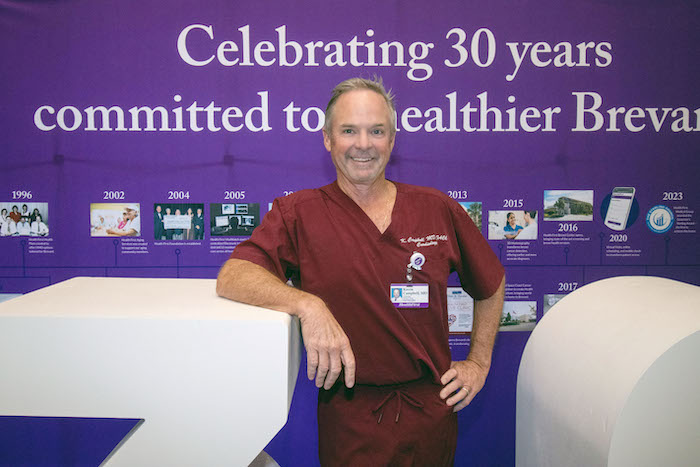
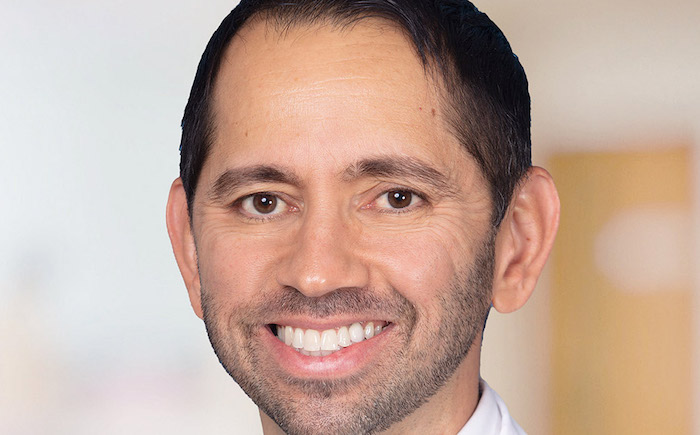
With the addition of cardiologist Dr. Kevin Campbell’s new subspecialty as a cardio-oncologist, these providers work together to help protect women’s hearts as they fight the disease.
“If you are diagnosed with breast cancer, I’m your partner on this walk through your cancer journey,” said Campbell, the only certified cardio-oncologist in Brevard County. “You’re going to see me for the rest of your life, and we are going to tackle this together.”
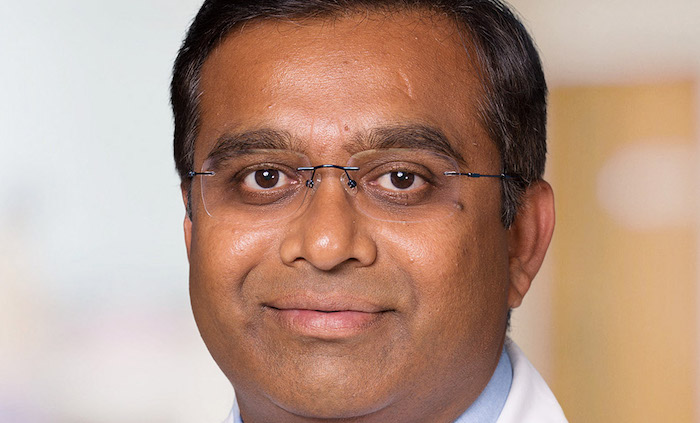
This multidisciplinary approach combines providers Dr. Mustafa Amani, a breast surgical oncologist, Dr. Brendan Prendergast, a radiation oncologist, and Campbell, Brevard County’s first and only certified cardio-oncologist. Dr. Amit Barochia, a medical oncologist, is also part of the team.
“Treatment is a collaborative effort through a multi-disciplinary approach,” said Amani, who performs surgery and coordinates care. “I talk to them about the surgery, what it entails, and what the recovery will be. Then, I help navigate them through their other appointments.”
“He’s our Tom Brady,” Campbell said of Amani. “He’s the quarterback. He calls the plays.”
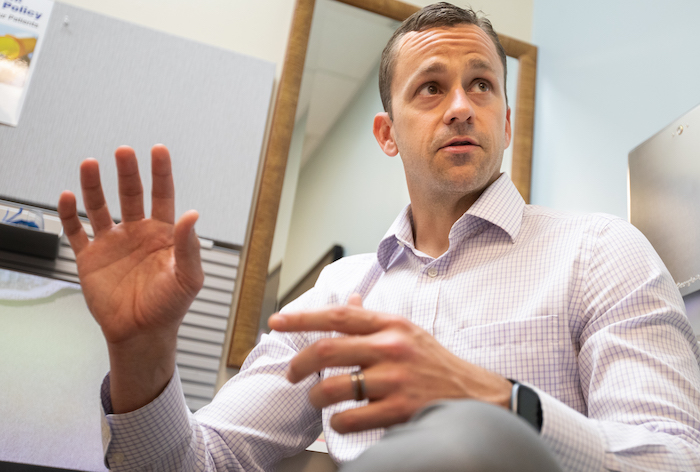
Prendergast works to minimize radiation therapy’s long-term risks.
“Everybody’s involved,” Prendergast said. “And everybody’s goal is to get that patient the best treatment possible.
Barochia, a medical oncologist, emphasized the importance of team communication.
“It also means offering comprehensive support during their journey, from diagnosis to recovery, by not only treating the physical disease but also managing the emotional aspect,” he explained.
Keeping the heart healthy
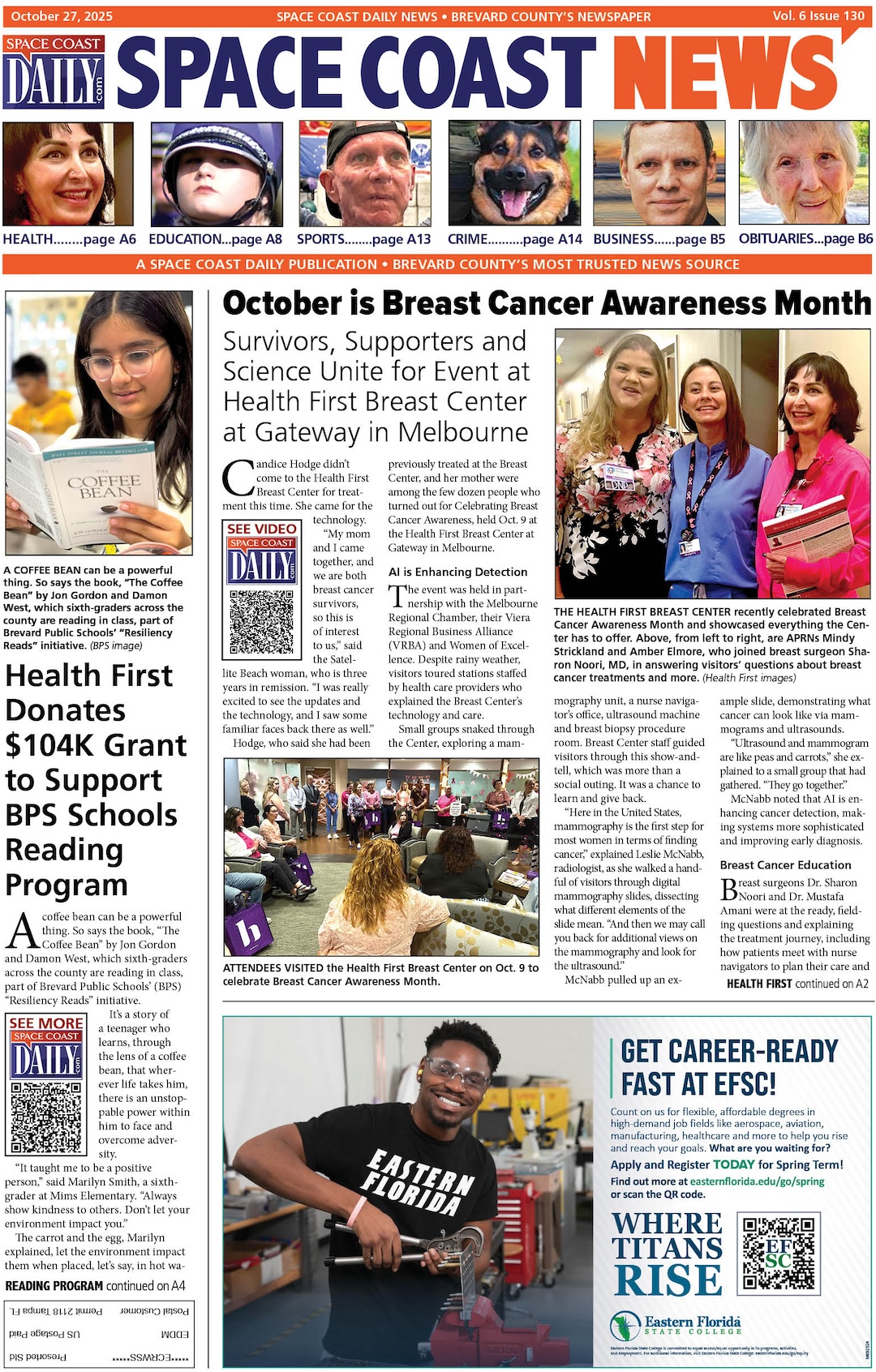
Chemotherapy and radiation can pose cardiac risks. Campbell monitors patients closely using strain echocardiograms and heart-protective therapies.
“There’s certain chemo drugs that, while extremely effective in treating the cancer itself, can have a roughly 5% chance of producing cardiac side effects,” Campbell noted. “I just have my antennas up, and I am always watching my patient’s hearts very closely.”
Barochia added, “It is very essential and important to assess and monitor heart function prior to administering those agents.”
Prendergast noted that left-sided breast cancer patients are more vulnerable. “Even with all the technology we have now, the risk is very low – but it’s never zero.”
Modern treatments are more targeted and less invasive. “Minimizing the surgical approach is what we’ve always advocated for,” Amani said.
Campbell shared a recent example of the team’s efficiency: “I was able to get her stress test done within 12 hours. By the next day, I was able to call Dr. Amani and say that patient’s ready to go ahead with surgery.”
Early detection means better survival rates
While Breast Cancer Awareness Month is closing in on October, the team urges women to stay current with mammograms and self-exams, no matter the time of year.
“If you’re diagnosed with Stage 1 early on, you probably have a 90-plus percentage chance of survival,” Campbell said.
Amani said mammography is “essential,” and Prendergast highlighted how surgical markers and intensity-modulated radiation therapy have reduced side effects and improved outcomes.
While some patients seek second opinions at larger institutions, many return to Health First for its expertise and convenience.
“I assure you that the care that you’re going to get somewhere else, you will receive the same level of care here,” Amani said.
Campbell noted Health First’s collaborations with Moffitt Cancer Center and others, allowing patients to receive protocol-based care locally.
“They get to sleep in their own bed,” Prendergast said. “They get to be with their own family. That’s priceless.”
A shift in breast cancer care
Prendergast pointed out how much treatment has changed in the past few decades.
“Now, a woman with Stage 1 breast cancer will oftentimes have as little as one week of radiation… little, if any side effects at all,” Dr. Prendergast said.
Treatment has become more targeted, faster and gentler. Twelve years ago, a woman with Stage 1 breast cancer typically underwent a lumpectomy followed by six weeks of radiation to the entire breast.
Today, many patients receive just one week of radiation focused precisely around the tumor site — thanks to surgical markers and intensity-modulated radiation therapy. The result? Minimal side effects and less than a 1% risk of damage to surrounding organs.
Prendergast said it’s rare to have a cardio-oncology program in a community of Brevard County’s size.
“The patient can move along in their journey,” Prendergast said. “It really is a privilege to provide that care, but we’re lucky.”
As cardio-oncology continues to evolve, Campbell, Amani, Prendergast, Barochia and the team are on the front lines.
“I feel privileged to be part of the kind of the pioneer group,” Campbell said. “I think it will ultimately be a fellowship-trained subspecialty within cardiology.”
Barochia finds being a part of the comprehensive team that leads patients through a difficult time and creating a path forward is gratifying.
“It also means offering comprehensive support during their journey, from diagnosis to recovery, by not only treating the physical disease but also managing the emotional aspect,” Barochia said. “We want to get them to a new normal after completion of treatment, so they can live very productive and healthy life.”
To learn more about the collaborative cancer care available at Health First, visit hf.org/breast-health or call 321.728.6002.