Florida Power & Light Warns Consumers: Don’t Let Utility Scammers Catch You Off Guard
By Space Coast Daily // November 9, 2025
Florida Power & Light explains common scams and what to do if you’re targeted
BREVARD COUNTY, FLORIDA – As we close out the year, Florida Power & Light (FPL) wants customers to stay one step ahead of scammers. As fraud tactics grow more sophisticated, knowing what to look for can make all the difference.
FPL is sharing simple tips to help residential and business customers detect and avoid falling victim to utility scams.
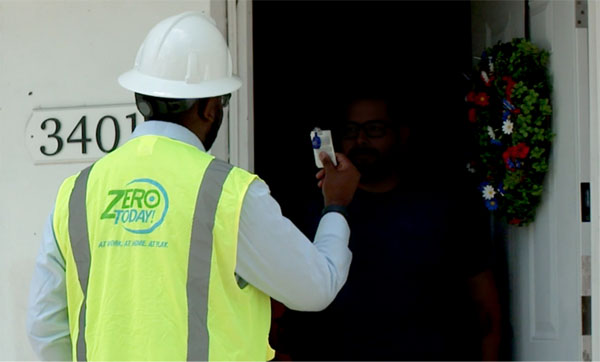
Utility scammers use many deceptive methods, such as going door-to-door, making phone calls or sending texts, or even posting fake websites or phone numbers. They also often pressure customers with threats to disconnect power unless immediate payment is made.
FPL is reminding customers to stay vigilant and sharing easy ways to recognize, avoid, and report these scams.
■ Don’t trust Caller ID. Scammers can manipulate the name to appear to be FPL. Instead, call the number on your bill.
■ Delete suspicious texts or emails asking for payments to be made. FPL will never collect payment by prepaid card or wire transfer.
■ Avoid using online search engines for phone numbers. Scammers have been manipulating search results to display false numbers. Use the phone number found on your bill.
■ Check for FPL identification before allowing anyone onto your property. Shut the door and call the police if anyone without FPL identification tries to collect payment or aggressively sells you any products.
■ Visit FPL.com/protect for more information.
Remember, education and awareness are key components of staying safe in an increasingly interconnected world. By staying vigilant, customers can protect their financial and personal well-being, ensuring a safer and more secure future.
Visit FPL.com/protect for additional information, resources, and updates on scams and fraud prevention.
If you suspect that your business has fallen victim to a scam, report it via email at reportbusinessfraud@nee.com.
After a scam incident, customers should also contact their local police department, the Florida Attorney General’s Office at MyFloridaLegal.com and/or the Federal Trade Commission at Consumer.ftc.gov.
 Related Story:
SPACE COAST DAILY TV: Danny Treanor Offers Sage Advice On Being Prepared for the 2024 Hurricane Season